

If you have ever shared your home with a tabby cat, you already know: there is something special about them.
They are the most common coat pattern in domestic cats worldwide, yet tabby owners will tell you their cats have personalities that feel anything but common. Playful one minute, fiercely independent the next, then curled in your lap purring like a motorboat. In this guide, we break down the real tabby cat personality – what science says, what owners report, and what actually determines your striped friend’s temperament.
In This Article
What Is a Tabby Cat? (Pattern, Not Breed)
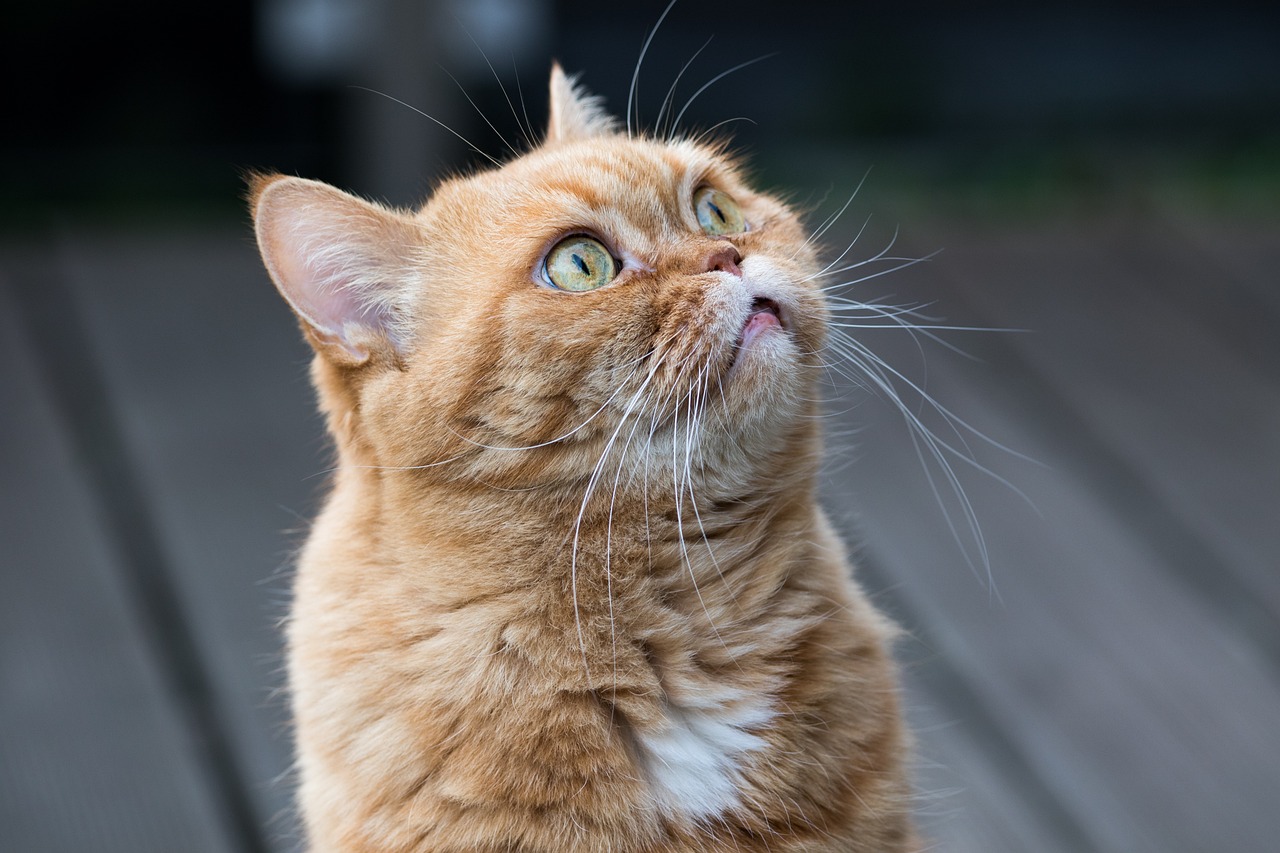
Let us clear this up first: tabby is not a cat breed. There is no such thing as a “Tabby breed.” Tabby refers to a coat pattern that can appear in dozens of breeds – from Maine Coons to Persians to mixed-breed rescues. The tabby pattern is characterized by:
- An “M” marking on the forehead – the signature of every tabby
- Stripes, swirls, spots, or ticked bands on the body
- Thin “pencil lines” on the face
- Pale fur around the eyes and chin
- Striped legs and tail
There are five recognized tabby patterns: Classic (blotched with a bullseye pattern), Mackerel (narrow vertical stripes like a fish skeleton – the most common), Ticked (alternating light and dark bands giving a salt-and-pepper look), Spotted (spots instead of stripes, seen in Bengals), and Patched (tabby pattern mixed with solid color patches, common in tortoiseshells).
Since tabby is a pattern and not a breed, tabby cats can be anything from a Maine Coon cats to a Persian to a mixed breed. And that is crucial for understanding their personality: the breed matters more than the pattern.
The Science Behind Tabby Personality
The idea of a “tabby personality” did not appear from nowhere. Researchers have studied whether coat patterns correlate with cat behavior – and some found interesting links.
Did You Know? A 2022 study published in the journal Animals surveyed cat owners and found that tabbies scored highest for being bold and active, while orange cats scored highest for being trainable, friendly, and calm. The researchers emphasized that individual upbringing and socialization matter more than coat color – but the patterns are worth noting. Read the full study on cat coat color and personality
The genetics behind the tabby pattern also tell an interesting story. The tabby pattern is controlled by the Agouti gene (which regulates pigment distribution) and the Ta and Mc genes (which determine the specific pattern type). These genes are ancient – wild cats like the African wildcat, the ancestor of all domestic cats, carry the tabby pattern. According to the UC Davis Veterinary Genetics Laboratory (vgl.ucdavis.edu), the agouti gene determines whether individual hairs have alternating bands of color (tabby) or are solid.
Some researchers suggest that because tabby is the “wild-type” pattern, these cats might retain more ancestral traits like hunting drive and alertness. This does not mean tabbies are wild – domesticated cats have lived alongside humans for thousands of years. But it might explain why tabby owners often describe their cats as energetic, curious, and independent.

7 Tabby Cat Personality Traits Owners Swear By
While science has not fully settled the debate, tabby owners around the world consistently report these seven traits. Take them as tendencies, not guarantees – every cat is an individual.
1. Highly Social and People-Oriented
Tabby owners frequently describe their cats as “dog-like” in their desire to be around people. Your tabby will follow you from room to room, supervise your cooking, and insert themselves into whatever you are doing. They tend to be less aloof than some other cats and more likely to greet visitors at the door. According to a 2022 study, tabbies scored highest among all coat colors for being bold and active – traits that often translate to outgoing, social behavior.
Of course, a tabby that was not socialized as a kitten can be just as skittish as any other cat. The ASPCA emphasizes that early socialization is the strongest predictor of a cat’s temperament.
“My tabby greets me at the door every single day. She knows my schedule better than I do. If I am five minutes late, she is waiting by the door with that look that says ‘where have you been?’”
– Tabby owner from the Catastic community
2. Playful and Energetic
Tabbies have a reputation for being high-energy cats. They love interactive play – feather wands, laser pointers, puzzle toys. Many tabby owners report their cats still act like kittens well into their senior years.
If you are looking for a lap cat that sleeps 20 hours a day, a tabby might not be your best match. If you want a playful companion who keeps you entertained, a tabby is a fantastic choice.
3. Curious to a Fault
The stereotype of the nosy cat? That is your tabby. They need to know what is inside every cabinet, behind every door, and on top of every shelf. Just make sure to cat-proof your home – child-proof locks on cabinets and secured bookshelves are a must with these little explorers.
4. Intelligent and Trainable
Tabby owners often describe their cats as exceptionally smart. While feline intelligence varies by individual, tabbies are known for learning routines quickly and figuring out puzzles. Many can be trained to perform tricks using positive reinforcement – the ASPCA recommends clicker training as an effective method for teaching cats new behaviors.
Their intelligence also means they get bored easily. Rotating toys and providing puzzle feeders helps keep their clever minds occupied and prevents destructive behavior.
5. Affectionate – On Their Terms
Most tabby owners report their cats are affectionate and cuddly – but with a catch. Tabbies tend to show affection on their schedule. They will climb into your lap when they are ready and walk away when they have had enough. This is not aloofness; it is independence. Respecting their boundaries strengthens your bond.
6. Stubborn and Strong-Willed
That intelligence comes with a downside: tabbies know what they want and are not afraid to ask for it. A tabby who decides it is dinner time will make sure you know. This stubborn streak is part of their charm, but you will need patience.
7. Talkative and Expressive
Many tabby owners report their cats are especially vocal. From chirps and trills to full meows, tabbies seem to have a lot to say. If you enjoy a chatty companion, a tabby might be exactly what you are looking for.

Does Coat Color Affect Tabby Personality?
One of the most persistent beliefs in the cat world is that orange tabbies are friendlier, grey tabbies are more reserved, and brown tabbies are the classic all-rounders. Is there any truth to it?
Did You Know? Research published in Animals (2022) found that orange cats scored highest for being trainable, friendly, and calm, while grey cats scored highest for being shy, aloof, and intolerant. Tabbies (regardless of color) scored highest for being bold and active. However, the researchers note these are general trends and individual variation is significant – Summarized from the study (PMC9024431)
What matters more than color? Socialization, upbringing, breed, and individual temperament. A well-socialized grey tabby from a loving home will be just as friendly as an orange one.
How Breed Shapes Your Tabby’s Personality
Since tabby is a pattern, not a breed, the breed your tabby belongs to is the biggest predictor of their personality. A tabby Maine Coon will have a very different temperament from a tabby Bengal, even though both have striped coats.
| Breed | Common Tabby Pattern | Typical Personality |
|---|---|---|
| Maine Coon | Classic, Mackerel | Gentle giant, dog-like, affectionate, good with kids |
| Bengal | Spotted, Marble | High energy, intelligent, needs stimulation, chatty |
| British Shorthair | Classic, Mackerel | Calm, independent, affectionate but not needy |
| Persian | Classic, Patched | Quiet, laid-back, lap cat, low energy |
| Abyssinian | Ticked | Active, curious, intelligent, needs attention |
| Domestic Shorthair | Any pattern | Mixed – depends on individual and upbringing |
For more cat breed guides, check out our articles on Munchkin cats and Siamese cats.

Caring for Your Tabby Cat – Personality-Based Tips
Your tabby’s personality is not just interesting – it is a guide to how to care for them best.
Pro Tip: High-energy tabbies benefit from clicker training. It channels their intelligence into something productive and strengthens your bond. Start with simple tricks like “sit” and “high five” using small treats as rewards. Even 5 minutes of training per day can make a noticeable difference in your tabby’s behavior.
For energetic tabbies: Provide at least 20-30 minutes of interactive play daily, invest in puzzle toys and treat dispensers, and set up cat trees and climbing shelves.
For social tabbies: If you are away from home frequently, consider adopting a second cat as company. Provide window perches where they can watch the neighborhood. Schedule daily bonding time – brushing, petting, talking.
For stubborn tabbies: Use positive reinforcement only – punishment backfires with strong-willed cats. Set consistent routines and provide multiple scratching posts to redirect natural behaviors.
Frequently Asked Questions
Are tabby cats more aggressive?
No. Tabby owners typically report their cats as friendly and social. The 2022 study on coat color and personality found tabbies scored highest for boldness and activity – not aggression. Any cat can become aggressive if poorly socialized or scared.
Are tabby cats good with children?
Generally, yes. Tabbies are known for being social and tolerant, especially when raised around children. Always supervise interactions between young children and any cat.
Do tabby cats live longer than other cats?
There is no evidence that coat pattern affects lifespan. A tabby’s lifespan depends on breed, genetics, diet, and veterinary care. Mixed-breed tabbies often live 15-20 years with proper care.
Are female tabby cats different from males?
Like all cats, male tabbies tend to be slightly more affectionate and social, while females can be more independent. Individual personality matters more than sex, and spaying or neutering reduces hormone-driven behaviors.
Do all orange tabbies have the same personality?
No. While studies suggest orange cats may be friendlier on average, the differences are small. An orange tabby’s personality is shaped primarily by their breed, upbringing, and individual temperament – not their color.
What is the ‘M’ on a tabby cat’s forehead?
The ‘M’ marking is a classic tabby trait. Legend says it comes from the Virgin Mary blessing a tabby that comforted baby Jesus. Scientifically, it is caused by the agouti gene regulating pigment distribution during development, as confirmed by UC Davis Veterinary Genetics Laboratory.
For more tabby content, read our 11 fun facts about tabby cats article.
Key Takeaways
- Tabby is a coat pattern, not a breed – personality is shaped more by breed and upbringing than stripes
- Owners commonly report tabbies as social, playful, intelligent, and talkative, but every cat is an individual
- Coat color may have a small influence on personality (orange cats tend friendlier, grey cats more reserved), but socialization matters far more
- Matching your lifestyle to your tabby’s energy level and social needs creates the happiest home for both of you